Common Species
Field marks, calls, and habitat notes for birds you are likely to encounter in Canadian backyards, woodlands, and wetlands.
Birdwatching Guides · Canada
Identification details for common species, notes on observation gear, regional migration timing, and a simple method for keeping a sighting log you will actually use.

Start here
Each guide is written for field use in Canadian conditions, with concrete details rather than general advice.
Field marks, calls, and habitat notes for birds you are likely to encounter in Canadian backyards, woodlands, and wetlands.
How to choose binoculars, when a spotting scope helps, and what to carry for cold-weather observation in Canada.
Spring and fall movement patterns, flyways crossing Canada, and rough timing windows by region and season.
Identification
Learning a small set of common, distinctive species builds a baseline you can compare less familiar birds against.
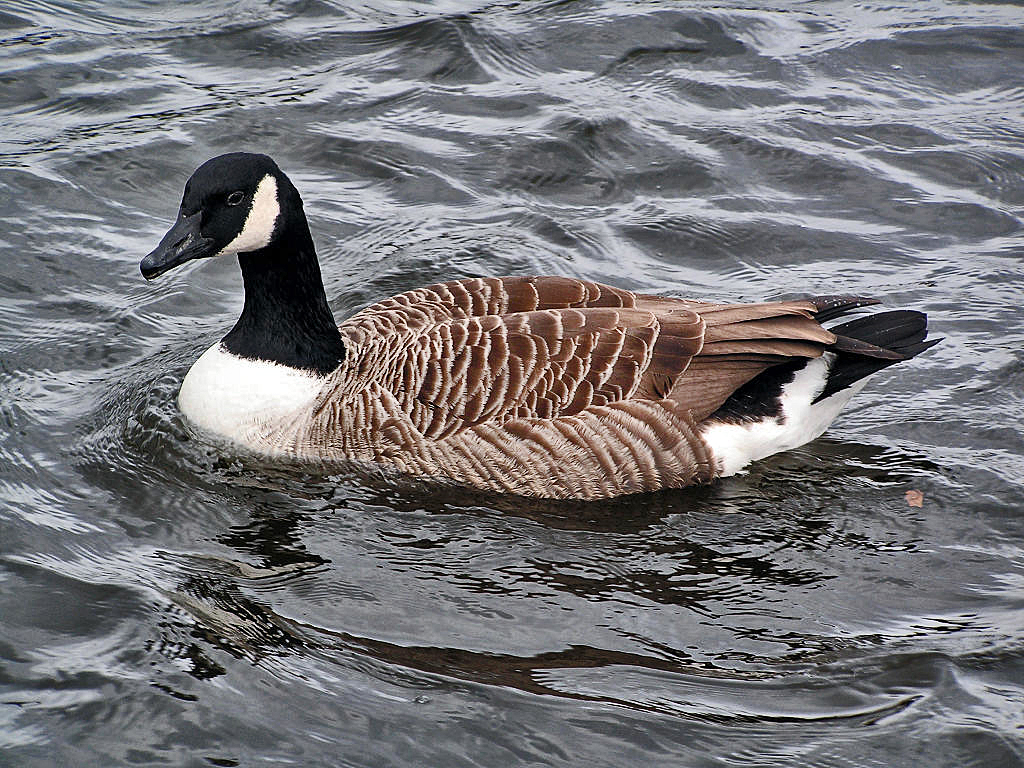
Branta canadensis
Black head and neck with a white chinstrap. Common on lawns, parks, and wetlands; loud honking flocks fly in a V.

Poecile atricapillus
Small, curious, and vocal. Black cap and bib with white cheeks; a frequent feeder visitor through Canadian winters.
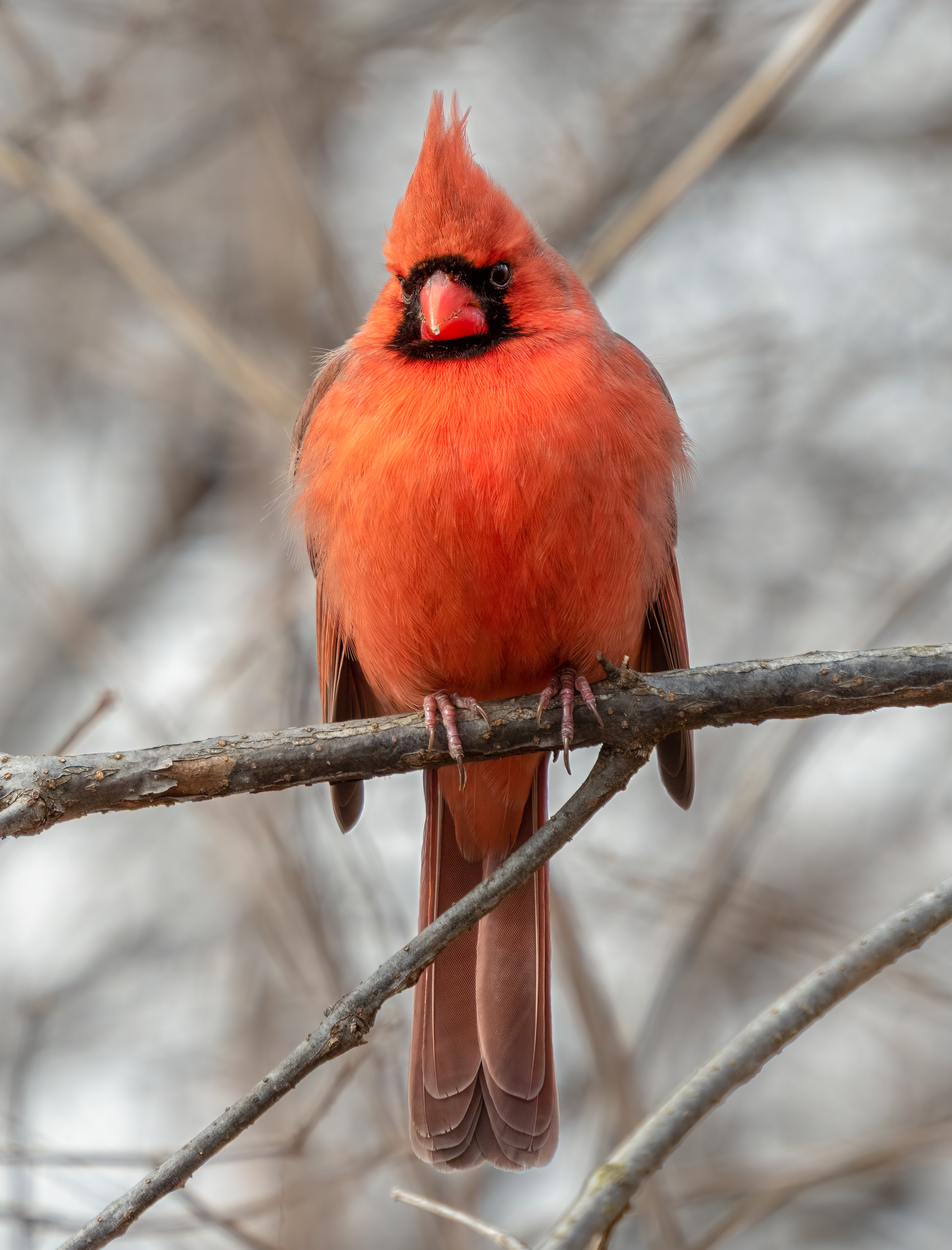
Cardinalis cardinalis
The male is bright red with a crest and black face. Expanding northward; regular in southern Ontario and Quebec.
Sighting log
A consistent log turns scattered observations into something you can review across seasons. Record a small, fixed set of fields each time.
Note the date and time, the location precise enough to return to, the species (or your best identification attempt), an estimated count, and short behaviour or weather notes. Many observers submit records to public checklist databases so the data supports regional monitoring.
If you are unsure of an identification, write down what you actually saw rather than guessing a name. Field marks recorded in the moment are more valuable later than a confident but wrong label.
Contact
If you spotted an error, want to suggest a location, or have a question about one of the guides, send a note. Use the form to share your name and how to reach you.